
Soundings: Call For Papers – English Culture and the Politics of “Home”
Posted on 15/10/2026
Soundings: Call For Papers
English Culture and the Politics of “Home”
Editors: Dominic Davies & Emma Parker
The Welsh live in Wales
The Scots live in Scotland
The Irish live in Ireland
But the English live at home.
– Edwardian Rhyme
This is our home. We have nowhere else to go and we will defend it. – Tommy Robinson
People like me who’ve grown up in poverty will survive the poverty. But there’ll be no more kitchen renovations. – Gary Stephenson
From kitchen renovations to dinghies in the Channel, this special issue of Soundings will track “home” as a shifting structure of feeling in contemporary England. While conflicting ideas of “home” figure centrally in most national cultures, many commentators have suggested that the historical and territorial formation of England – its island geography, its disjuncture with Britishness, its longstanding property laws, its cultural deference to privacy – have made it a particularly tender concern for the English. Certainly, in this era of the “untied kingdom,” to borrow Stuart Ward’s anagram, there is fierce struggle over what counts as English culture and what might endure as Britain breaks up around it. By critically engaging “England” as a contested and often racialised spatial imaginary, this issue invites contributors to open new political articulations of belonging through sustained critical attention to the idea of “home” in English culture.
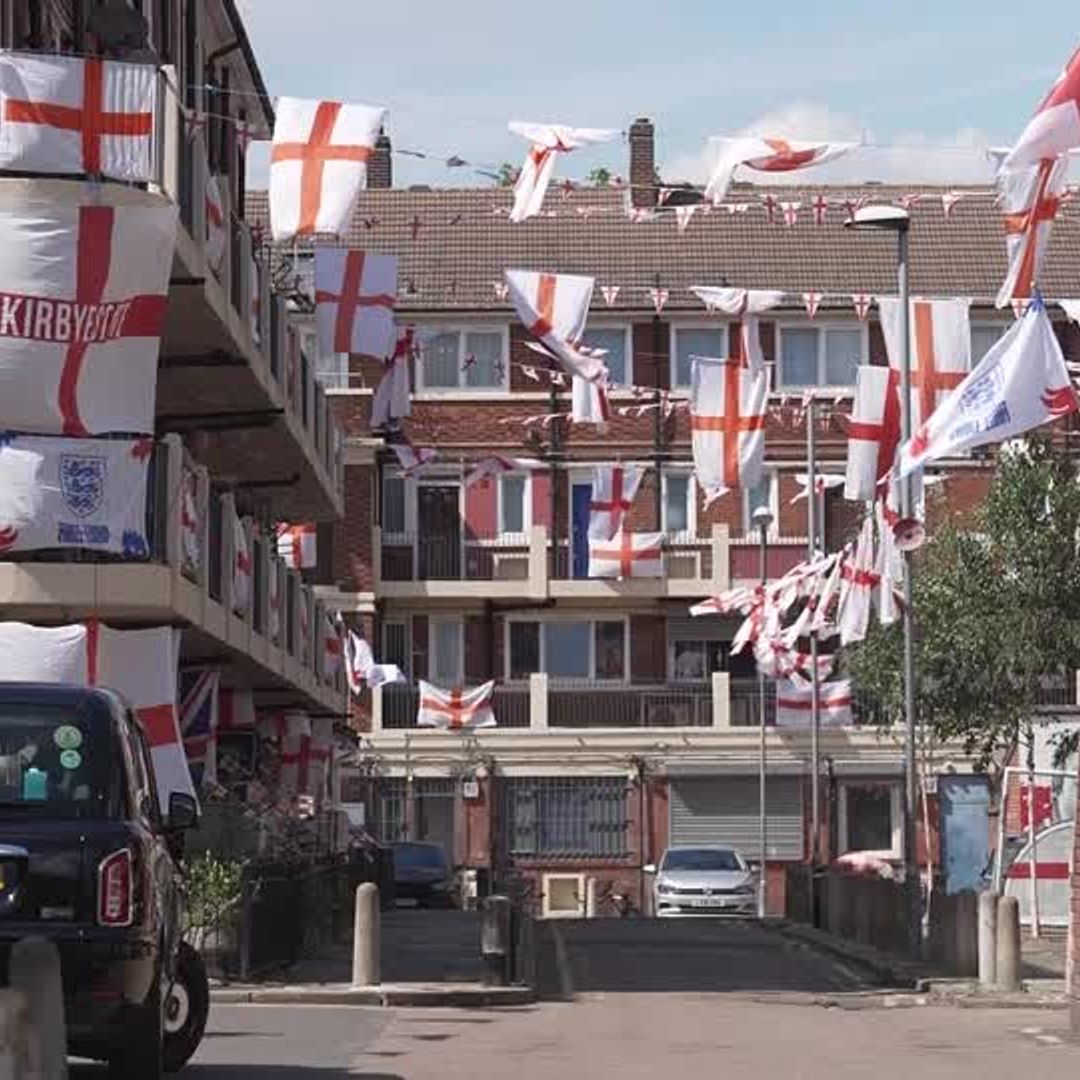
The issue particularly aims to move past the familiar deadlock on the left between those who argue for a progressive patriotism, on the one hand, and those who believe English nationalism should be abolished, on the other. It attempts this by asking how the different stories that England is able to tell about itself are materially reinforced by – and reproduced through – the country’s infrastructures, architectures, and landscapes. With this move, it follows theorists like David Morley and Hazel Carby who track the slippage between the physical home (heim) and national imaginaries of the homeland (heimat) to diagnose a civic and political homesickness (heimweh) at the heart of English identity. If the idea of England as lost pastoral idyll was forged through the enclosures and industrial revolution, how is this lingering attachment reformulated in an age of inflated house prices, NIMBYs, and data centres? If the “Home” Counties were built with wealth from Britain’s imperial acquisition of overseas territories, what does it mean that Oxfordshire villages are now running referendums to secede from England altogether? From the lower-middle-class conservatism of Keir Starmer’s pebble-dash semi to the suburban populism of “Operation Raise the Colours,” contributors to this issue will press on the sinews between different scales of “home” in contemporary English culture to feel out possible futures for “England” in the twenty-first century.
Indicative topics might include, but are certainly not limited to:
- Englishness and Britishness, their continuities and discontinuities
- Whiteness, Englishness, and the culture wars around “indigeneity”
- The construction of “England” through its cultural and political relationships with Wales, Scotland, and Northern Ireland
- Black English identities in and beyond London
- The England football team and “it’s coming home”
- Cultural and political responses to the housing crisis
- The cultural politics of care giving and care homes in England
- Home making and the role or absence of domestic labour in national imaginaries
- Black and Asian histories of home making in England, from the Georgian era to the Windrush generation
- Imaginaries of England among second/third generation immigrants and dual nationals
- Asylum hotels, migrant resettlement plans, and England as “island home”
- Far-right imaginaries of England as a pastoral and white-coded landscape
- Literary accounts of Englishness, home, and homecoming, from popular non-fiction and life-writing to poetry collections and the contemporary novel
- The politics of the public house, from desi pubs and Wetherspoons to gastro
- The homes of reality television, from the Big Brother house and The Apprentice mansion to ‘offshore’ locations like Love Island villas and The Traitor’s castle
- Successive failures to articulate a progressive English nationalism from the left
- Andy Burnham’s regionalism and the question of Englishness/Britishness
- NIMBYism and planning reform in the Home Counties
- The legacies of empire in country houses, writers’ houses, preserved homes
- The cultural and class politics of home renovation
Please send short proposals (c.150 words) for contributions to Dominic Davies (dominic.davies@city.ac.uk) and Emma Parker (emma.parker@bristol.ac.uk) by Friday 4 December 2026. In addition to research articles of around 4000 words, we welcome contributions in diverse formats, including shorter topic commentaries, political viewpoints, author interviews, photo essays, written testimonies, roundtable discussions, and relevant book reviews. Please note the anticipated format of your contribution in your proposal. Full manuscripts will be requested by the end of March 2027 with final drafts due by early May. Any questions: dominic.davies@city.ac.uk.